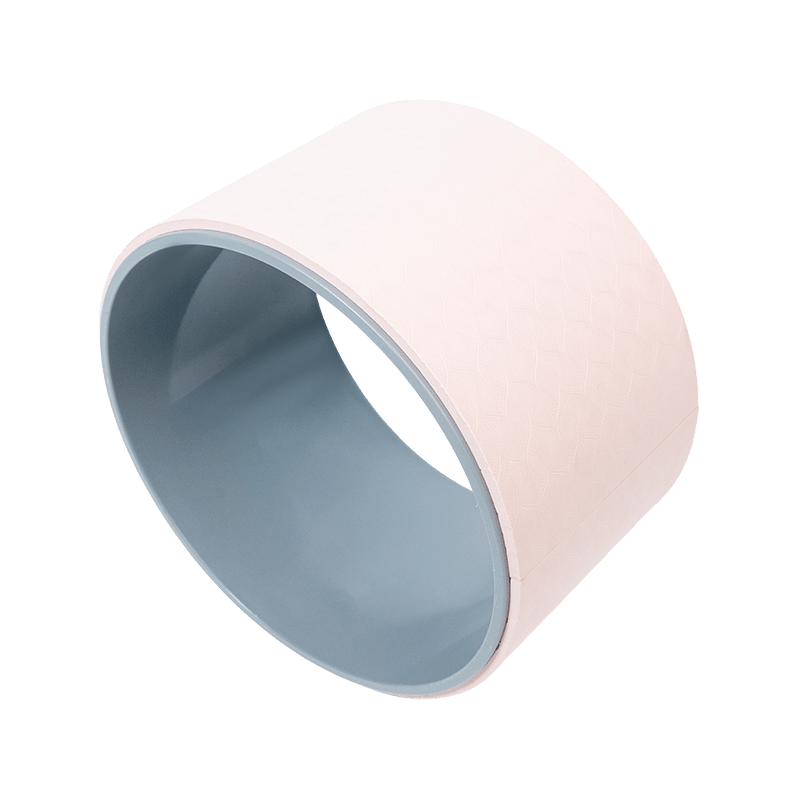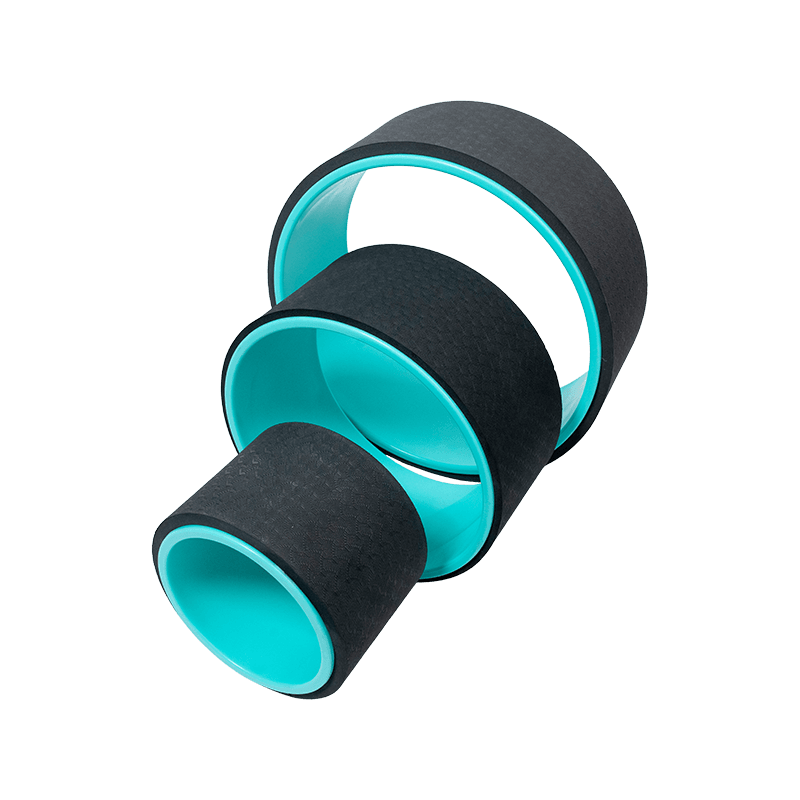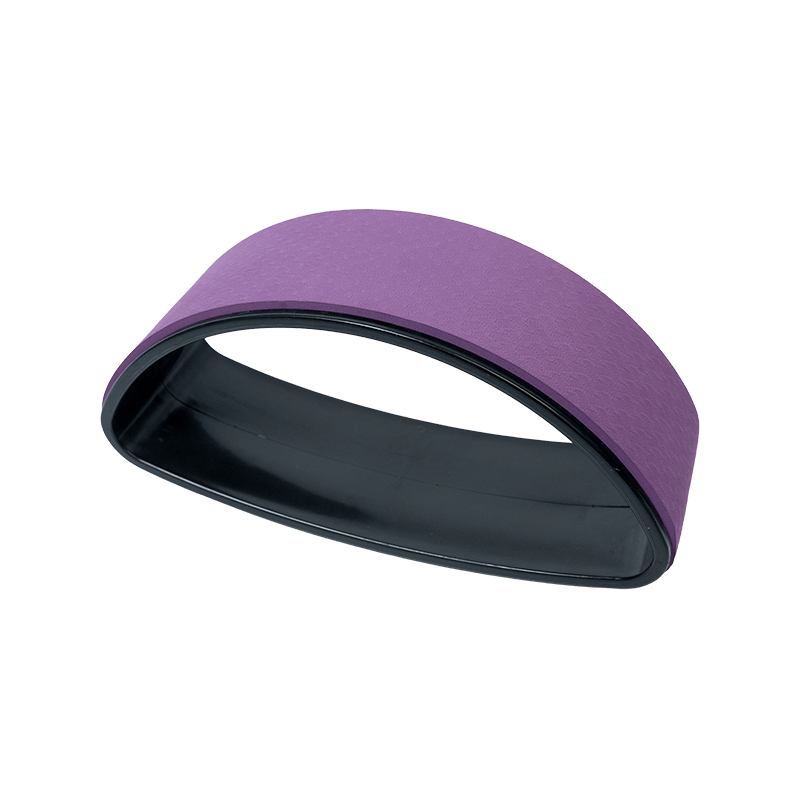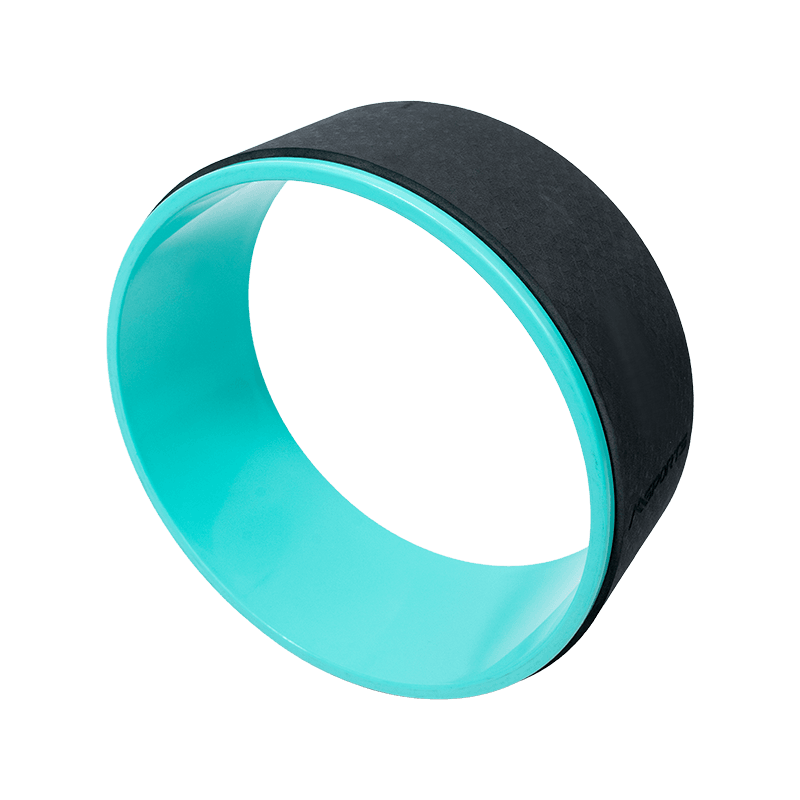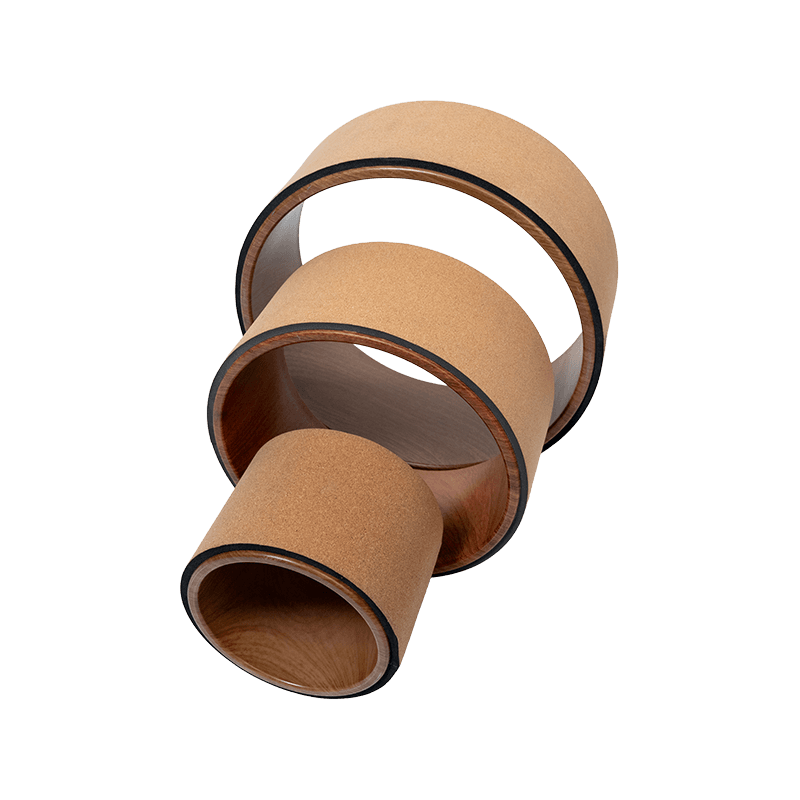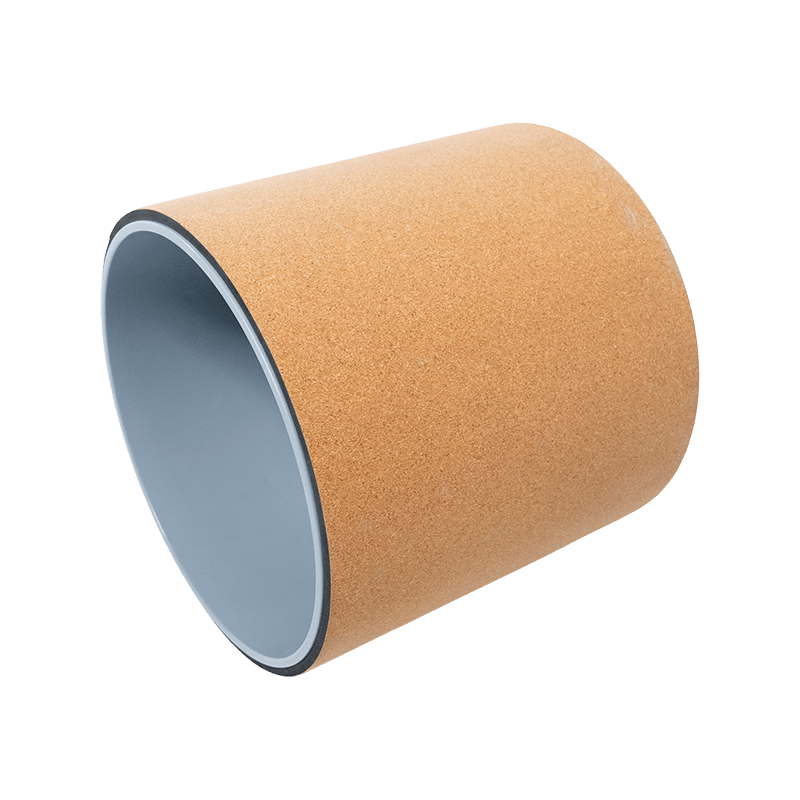



Non omnis columen intitulatum "yoga rota" manet cotidie backbends. A bene facta TPE Yoga Rota figuram tenet, aream tenet, ac spinae sessione pulvillos sedente, dum vilis litera plastica flattens, rimas, sub te elabitur. Hic est quid duos separat, et quomodo recte eligo.
Quam TPE Yoga Rota vere est
A TPE Yoga Rota instrumentum disciplinae circularis ex elastomo thermoplasticae aedificatum, materia quae sicut crux inter Flexilis et plasticus est. Compositio illa est quae dat bonam rotam suam duo notamenta definitiva: satis elasticitas ad pulvinum spinae et satis memoriae fabricae quae post mille usuum in figuram pristinam rescinditur.
Typical fabricare stratis TPE corticem exteriorem super nucleum durabilem interiorem, confectum textura, superficie non-lapsu. Una, illae strata sustinent extensionem dorsi, extensionem medullae, terebras libram, et praxim reflexionis adiuverunt.
Quomodo sustinet Corpus Per Practice
Mechanica in principio simplicia sunt, in executione accurata. Rota sub occipitio, cruribus vel scapulis vadit, et compages circularis corpus volvit et per motum continentem dilatatur. TPE superficies elastica pressuram in puncto contactus haurit pro recta in spinam transferens, dum texturae tenaci rotam e skating sub medio usoris protendente retinet.
Effectus hic ad quattuor descendit: elasticitas materialis, robur structuralis, textura superficiei et quantum pondus nucleus sine deformitate ferre potest.
Rota yoga quae rotundam figuram amittit post mensem usum numquam aestimavit pro onere quod portat. Figura retentionis sub pressionibus crebris probatio stabilitatis realis est, non autem affirmatio packaging.
Quod ad Reprehendo ante Buying
- Flexibilitate cum recuperatio - Rota sub pondere comprimat et statim ad pristinam figuram redeat, non paulatim.
- Non lapsus superficies textura - prehendere contra utrumque cutem et solum prohibet rotam evoluta per tractum.
- Facultatem pondus rating - Hoc contra gravissimum user qui re vera utetur, non mediocris.
- Materia salus — TPE rite fabricatum esse debet a substantiis noxiis; petere obsequia documenta.
- Portability — Pondus et diameter materia, si rota cottidie inter studium et sacculum peregrinatur.
Ubi TPE Yoga Currus Consueuerint
Yoga studiosi utuntur ad flexibilitatem disciplinae, progressiones retrahentes, et sub magistro moderamine opus aequale. Domum exercent tamquam magnitudinem pacti ad cotidianam extensionem et mobilitatem consuetudines. Pilates et programmata exercitationis functionis eas in nucleum ac plenas sessiones complicant, dum unctiones physicae curationis iis utuntur ad mitiores, exercitia mobilitatis sustinenda. Opportunitas notae etiam eas in lineas productas ampliores complicant sicut titulus privatus vel OEM item.
TPE nobis Traditional Plastic seu Spuma Currus
| Factor | TPE Yoga Rota | Plastic seu spuma Rota |
| Elasticitas | Alta, valida recuperatio | Limitata, materialis-dependens |
| figura retentionis | Deformatio resistit in tempore | Prone ad adulatione vel amictus |
| Tenaci et salus | Textured superficies non-praetermisissent | Saepe levius, minus firmum |
| Aptissima for | Professio et frequens usus | Occasional, basic extension |
| Typical pretium | Moderatus, reflectitur in perficientur | Plerumque inferior upfront pretium |
Matching a Rota ad usum tuum Casus
Studium plenum genus necessarium est ut capacitas et superficies per omnem unitatem firmitatis pondus consistat, quoniam batches repugnantes celeriter sub usu cotidiano coetus demonstrant. Domus usoris prioritizat portabilitatem et consolationem super ratings industriae onus. Opportunitas notam construendi lineam pittacii privatim censere debet optiones customizationes, logo impressiones, ac sarcinas circa nucleum materialium specierum, semperque onus probationis ac securitatis materialis postulare debent antequam productioni currendum committat.
Frequenter Interrogata
Quod pondus rota TPE yoga typice sustentare potest?
Facultas per exemplar et nucleum constructionis variat, semper obsistere debet contra aestimationem dicti fabricatoris potius quam ex sola rotae magnitudine assumpta.
Estne TPE salvus et eco-amicus cum aliis materiatis?
TPE proprie fabricatum est recyclable et libera ex substantiis noxiis produci potest, eaque electio magis sustineri potest quam multae plasticae traditae, etsi qualitas a fabrica variatur.
Quam diu debet bonum rota TPE yoga durare?
Rota bene facta deformationi resistere debet et suam superficiem non-lapsus conservare per annos usus regularis; celeri adulatione seu superficies lapsum signa inferioris gradus materia vel core.
Possuntne TPE yoga rotae nativus ad notam congrui?
Ita. Magnitudo, superficies exemplaris, color, logo excudendi, ac packaging typice nativus pro OEM vel privato-lamentorum productione decurrit.
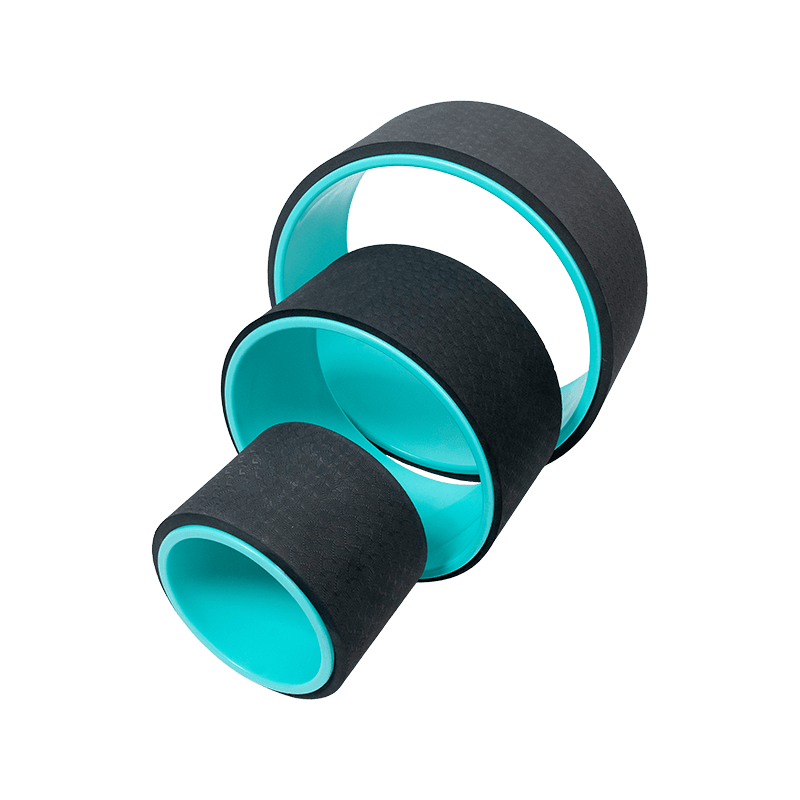 | 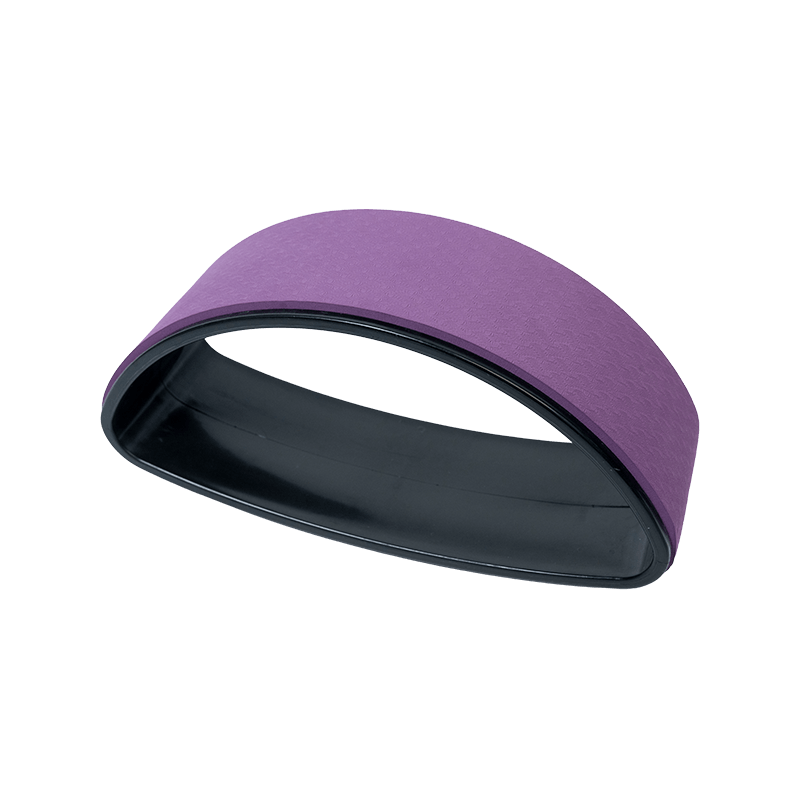 |