


Yoga Rota Buying Guide: Elige, Usus, et Cura Tuae
Rota yoga extensiones et recursas aperit, quae difficilia sunt ut tuto in tua perveniant, praebens subsidium per profundissimam partem pose, dum flexibilitas et potestas temporis aedificatur. Hic dux comprehendit quomodo magnitudinem rectam decerpit, ea tuto pro communibus quaestionibus locis utere et in bono statu conservare.
Quam eligere Yoga Rota
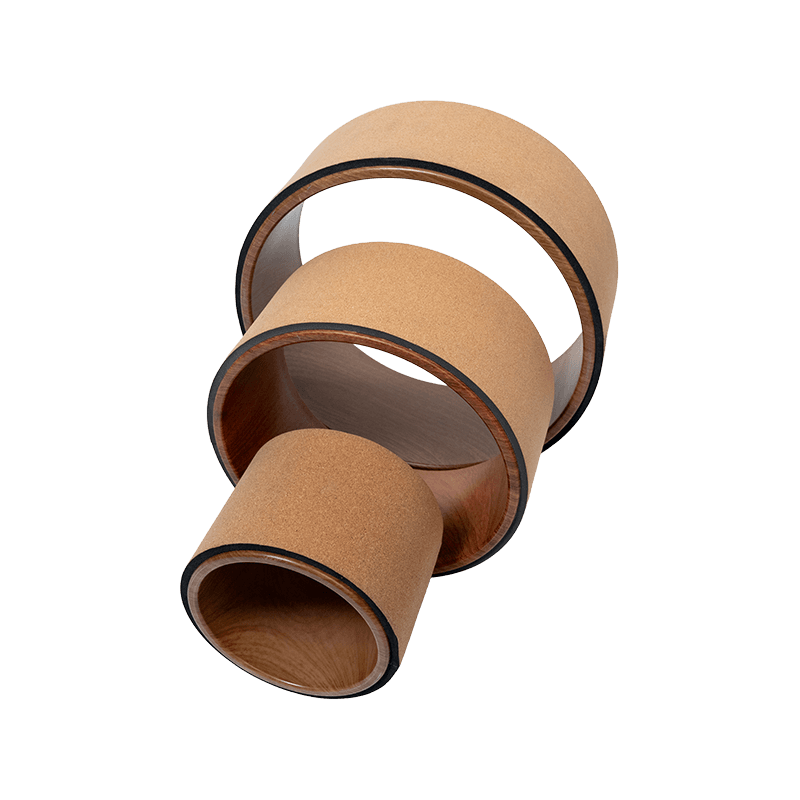
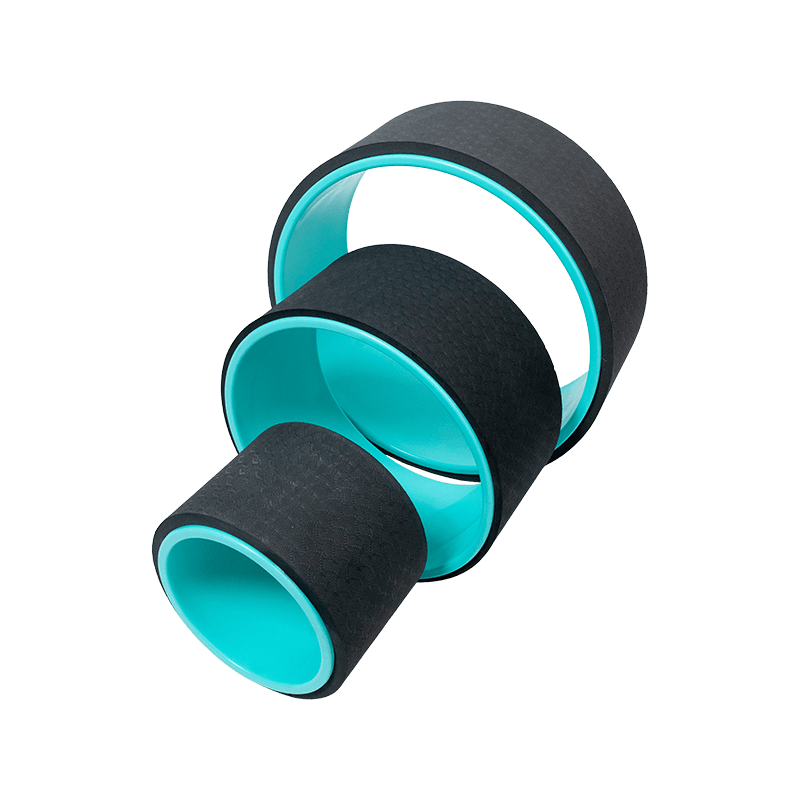
Eligendo yoga rota descendit ad tres factores: diametri , Nullam et pondus facultatem . Diameter determinat quam profundus tractus rota sinit - rotae minoris reflexionem profundiorem efficiunt, dum rotae maiores mitiorem curvam maioribus incipientibus aptiorem praebent.
Yoga Rota Magnitudo Guide
| Diameter | Proten Profundum | optimus For |
|---|---|---|
| 6"-9" | Alta, intensa curva | Periti medici stabilis flexibilitate |
| 10" | Moderatus, libratus curva | Maxime users, generalis extensio et stabilitas laboris |
| 12"-13" | Mitis, curva vadum | Incipientium et eorum levatio in backbends |
Yoga rota diametri et quam afficit profunditatem et convenientiam extendere.
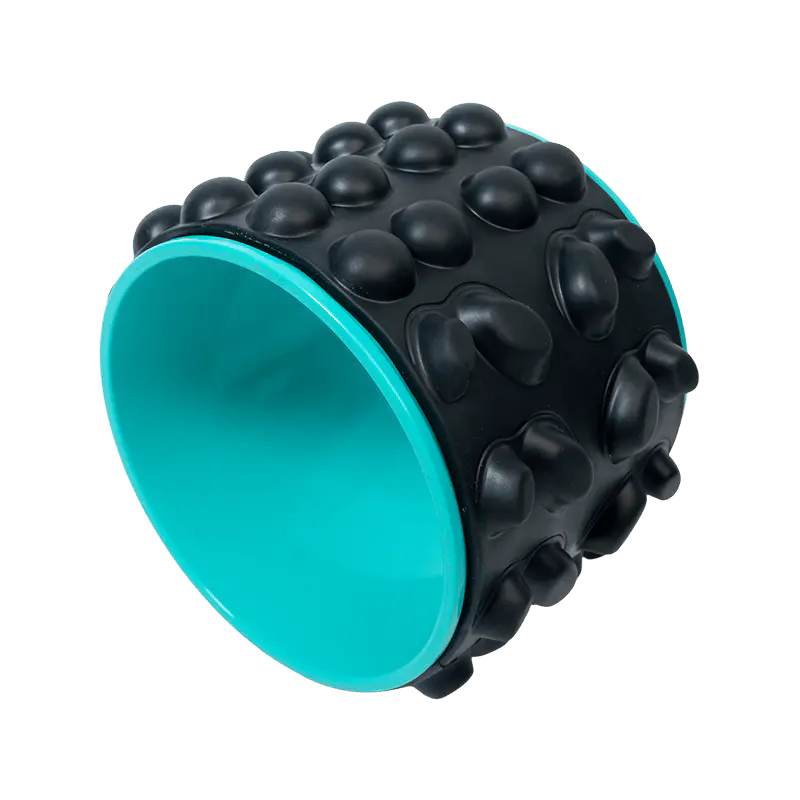
Crassitudo colorata etiam ad solacium contra spinam refert - densior color convenit diutius tenet ac sensitiva dorsa, dum firmior color magis stabilitatem praebet ad stateram laborem. Pondus capacitas corpus tuum pondus commode excedere debet, cum rota significat onus in recessibus sustinet.
Yoga Rota pro tironibus
Satus Point
Si nova es utens rota yoga, incipe diametro maiore (12"-13") et custodias sessiones breves. Incipe sedere cum rota sustinente inferiorem vel medium dorsum antequam progrediatur ad plenas recessus, et semper maceriam vel superficiem prope mollem habe, donec cum aequilibrio et potestate confidas.
Quomodo uti a Yoga Rota
Maxime yoga rota exercitationes idem principium sequuntur: rota corpus tuum pondus sustineat, dum in et e tractum lente volveris, quam statim in altissimam positionem stillans. Communia principia includunt:
- Sedet backbend: sede ante rotam, super illam ambula manus, dum spinam sustinet tuam.
- Statera stans: pedem vel manum ponere super rotam ad stabilitatem nucleum et talum.
- Proten astitit; uti rota sub coxis, scapulis, vel pedibus, ad profundiorem sedem vel supinum tractum.
Yoga Rota Exercitia pro Back Dolor et Ultra
Back & Spina extende
Spina sensim super rotam volvens adiuvat tensionem dimittere per longitudinem dorsi.
Infra Back Dolor
Lene subsidium sub lumbale areae emissiones ex diuturna sede levari potest.
Superiores Back & humerum
Rota posita inter scapulas aperit pectus et spinam superiorem.
Flexor Coxae Extendam
Utens rota sub coxis in pulmone positus profundit flexor coxae emissio.
Yoga rota inferioris dorsi dolorem et rotam yoga pro superiori dorsi dolore consuetudines et eodem principio innititur — utens curvae rotae ad spinam leniter extendendam potius quam tractum cogens — sed collocatio rotae mutatur secundum quod area maxime indiget auxilio.
Yoga Rota pro Flexibilitate, positione, et Libra Training
Constans usus rotae yoga ad flexibilitatem operis paulatim crescit motusque motus in spina, scapulis et coxis, cum rota tantum subsidium praebet ut tractum diutius teneat quam plerique adiuvent. Ad emendationem staturam, retorqueo opus super rotam renitens positionem antro-rotundam e scrinio opere communi, dum stans vel sedet statera terebras in rota nucleum stabilitatis aedificant quae meliori staturam sustinet per diem.
Sample Yoga Rota extendens DEFUNCTORIUS
Commune Yoga Rota Erroribus
Quod vitare
- Irruit in altum backbends ante aedificationem satis medullae flexibilitatem et nucleum temperantiae.
- Per iniuriam diam pro gradu tuo currenti flexibilitatem, praesertim nimis parvam incipiens.
- Omissis fermentum priusquam altiora temptat, rotam porrigit.
- Exercet instabili vel lubrico sine mat subtus rotam.
- Neglecta dolore annuit - Lenis tractus sensus normalis est, acutus dolor non est.
Quomodo mundare et condite a Yoga Rota
Maxime yoga rotae cum panno humido et mite saponem post usum deleri potest, cum sudor et olea paulatim destruere et superficiei super tempus tenaci frangere possunt. Vitare submersionem rotam vel menstruas duras utentes, quae spumam color vel tunicam exteriorem deprimere possunt. Pro repositione, retine rotam a recto calore vel sole, qui materiam detorquere vel resilire potest, eamque planam vel erectam in spatio frigido, sicco potius quam sub alio instrumento comprimat.